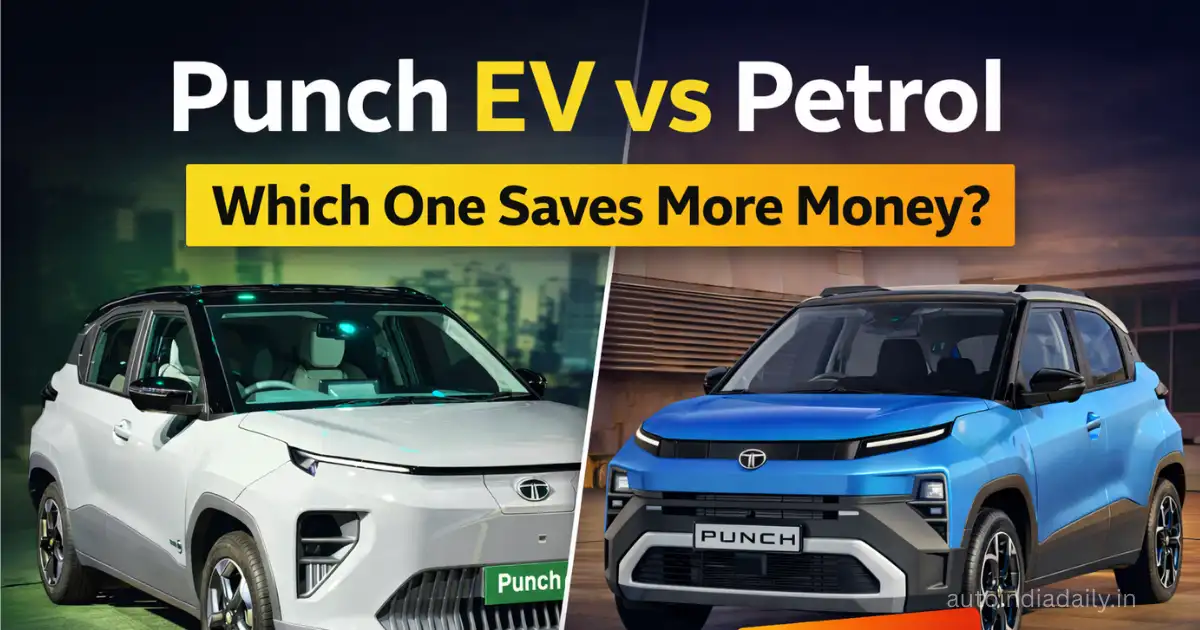
Tata Punch EV vs Petrol: Tata Motors has brought the Punch EV facelift closer to its petrol counterpart in terms of pricing, performance and features. With the gap between electric and internal combustion (ICE) models narrowing, buyers are now weighing long-term value rather than just the upfront cost. Here’s a detailed comparison to help understand which version suits different usage needs.
Also Read: 7-Seat Toyota Urban Cruiser Hyryder Spied, Launch Expected in 2026
Tata Punch EV vs Petrol Price Difference
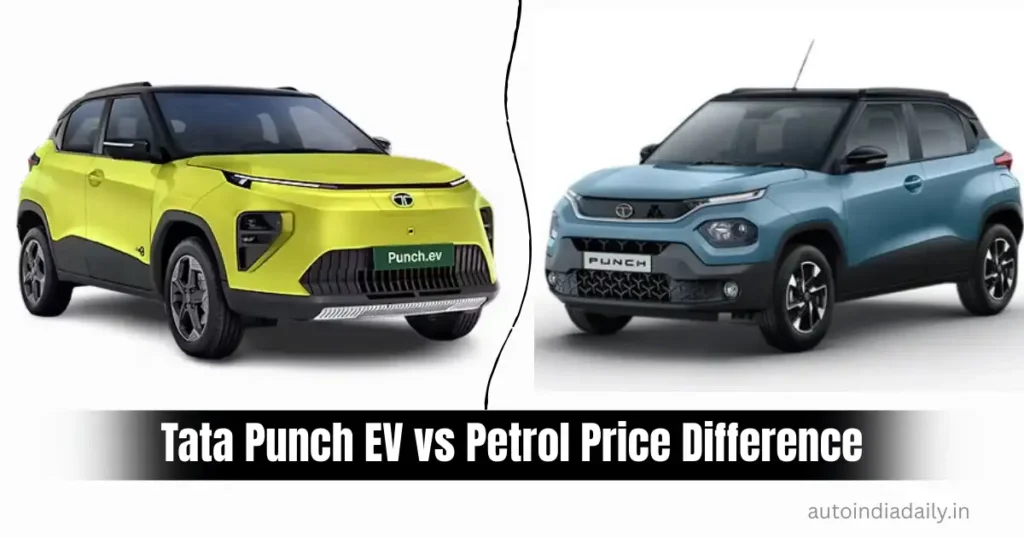
The Tata Punch petrol range starts at around Rs 5.5 lakh and goes up to about Rs 9.7 lakh (ex-showroom). In comparison, the Punch EV facelift is priced between Rs 9.6 lakh and Rs 12.5 lakh.
However, Tata’s Battery-as-a-Service (BaaS) option lowers the entry price of the EV to approximately Rs 6.4 lakh, reducing the initial cost barrier for buyers willing to opt for a battery subscription plan.
Tata Punch EV vs Petrol Performance and Power
The updated Punch petrol now comes with a 1.2-litre turbo engine producing around 120bhp, offering improved performance over earlier versions.
The Punch EV, equipped with a 40kWh battery, produces 129PS and delivers instant torque, resulting in smoother acceleration and a quieter driving experience. This makes the EV more comfortable for stop-and-go urban driving.
Tata Punch EV vs Petrol Feature Comparison
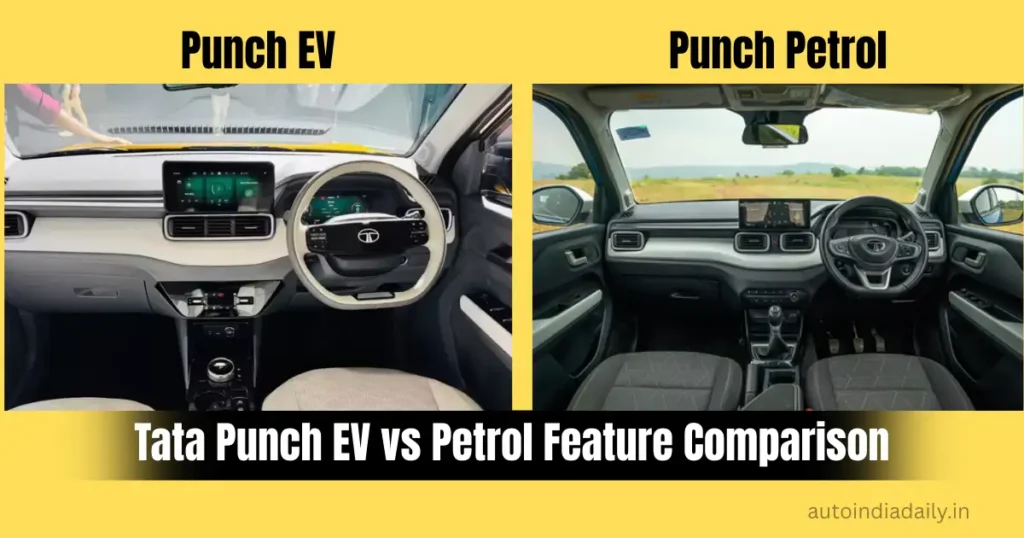
Both versions offer a similar equipment list, including infotainment, safety and comfort features. The EV gets slight interior and exterior design changes, but overall, there is no major feature advantage for either version.
Running Cost and Ownership
This is where the EV gains a clear advantage. Charging at home costs significantly less than petrol, which can lead to noticeable monthly savings for regular users. The EV also comes with long-term battery warranty support, while the petrol version involves higher ongoing fuel and maintenance expenses.
However, charging access remains a key factor. Buyers without reliable home or nearby charging infrastructure may find the petrol version more practical.
Tata Punch EV vs Petrol Punch: Key Differences
| Specification | Punch Petrol (ICE) | Punch EV |
|---|---|---|
| Price Range (Ex-showroom) | Rs 5.5 lakh – Rs 9.7 lakh | Rs 9.6 lakh – Rs 12.5 lakh |
| Entry Price Option | Standard purchase | BaaS from ~Rs 6.4 lakh |
| Power Output | ~120bhp (Turbo) | 129PS |
| Transmission | Manual / AMT | Automatic only |
| Running Cost | Higher (fuel dependent) | Lower (home charging) |
| Maintenance | Regular servicing required | Lower maintenance |
| Best Use Case | Long-distance, budget buyers | City use, daily commuting |
Which One Should You Choose?
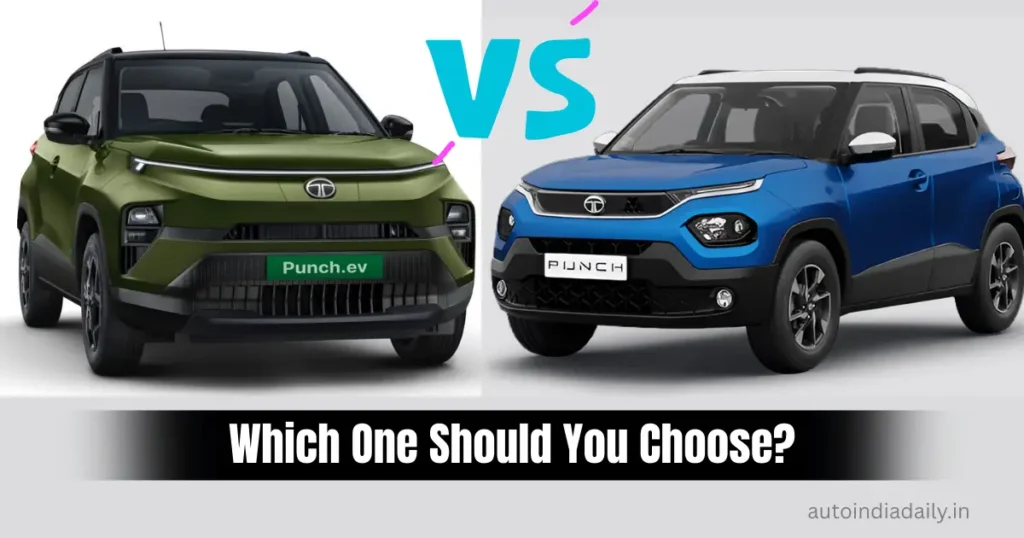
The Punch EV is better suited for urban buyers who want lower running costs, automatic convenience and a smoother driving experience.
The Punch petrol makes more sense for those who frequently travel long distances, live in areas with limited charging infrastructure, or want a lower upfront purchase price.
Market Perspective
The shrinking price gap between EVs and petrol cars reflects a larger shift in the Indian market. As charging infrastructure expands and battery costs decline, electric vehicles like the Punch EV are becoming viable mainstream options rather than niche alternatives.
Conclusion- Tata Punch EV vs Petrol
The Tata Punch EV facelift strengthens the case for electric mobility in the compact SUV segment. While the petrol version remains the practical choice for budget-conscious and highway-focused buyers, the EV offers better long-term savings and convenience for city users. As ownership costs become a bigger factor in purchase decisions, the balance is gradually shifting in favour of electric vehicles.
Disclaimer: Prices and specifications mentioned are based on available information and may vary by city, variant, and dealership. Buyers are advised to check with authorised Tata dealers for the latest details before making a purchase decision.
Also Read: Nissan Gravite in CNG Confirmed: Dealer-Fit Option Coming Soon

Raj Prajapati is a Senior Automotive Content Writer at AutoIndiaDaily. A B.Tech graduate in Computer Science and Engineering, he has over four years of experience covering car and bike launches, EV updates, price changes, and key developments in the Indian automobile industry.