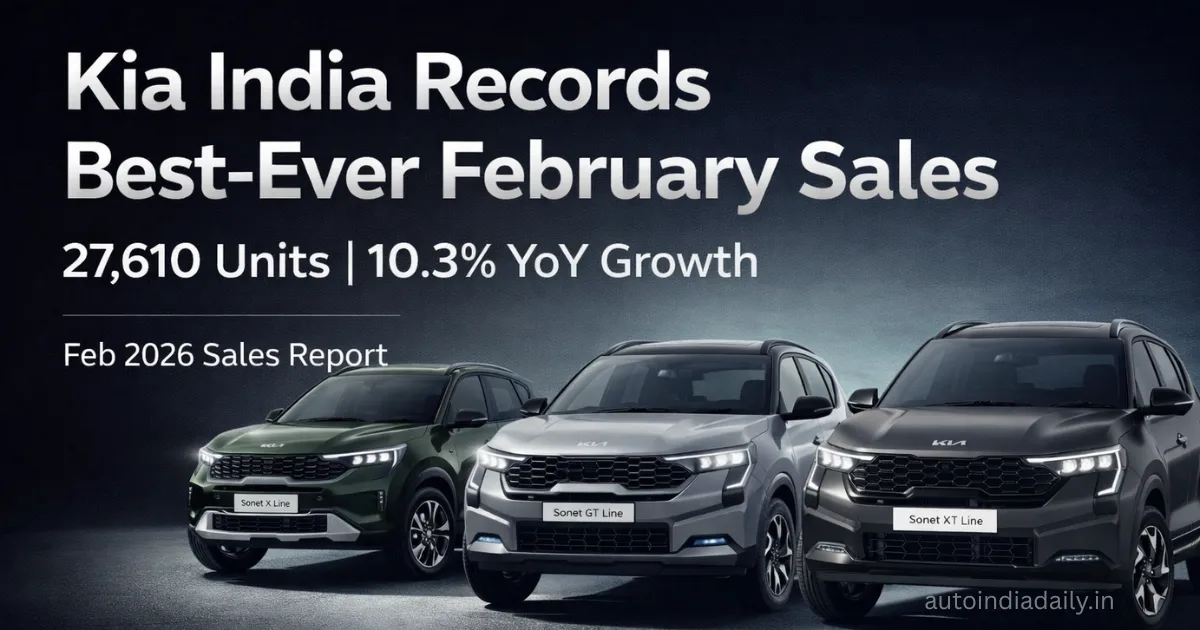
Kia India February 2026 Sales: Kia India has recorded its strongest-ever February performance, retailing 27,610 units in February 2026, a year-on-year growth of 10.3 percent compared to 25,026 units in the same month last year. The result also marks the second consecutive month of double-digit annual growth, highlighting sustained demand across the brand’s portfolio.
While the numbers themselves are significant, the broader story lies in what this performance reveals about product strategy, buyer preferences, and Kia’s positioning in India’s increasingly competitive passenger vehicle market.
Also Read: Maruti Suzuki Nexa Sales Hit 5.4 Lakh in FY25 as 200 Studio Outlets Strengthen Expansion
Consistency Rather Than a One-Month Spike
Kia India February 2026 Sales performance closely mirrors its January 2026 sales of 27,603 units, indicating stable demand rather than a temporary surge. For automakers, consistent monthly volumes are often more important than isolated peaks, as they reflect steady order pipelines and balanced inventory movement.
The company’s annual performance also provides context. With 2,55,554 units sold in calendar year 2025 and a market share of around 7 percent, Kia has established itself as the sixth-largest passenger vehicle manufacturer in India within just a few years of entering the market in 2019.
This steady growth trajectory suggests that Kia has moved beyond its early “new entrant advantage” phase and is now competing on the strength of product lifecycle management and brand loyalty.
SUVs Continue to Drive Volumes
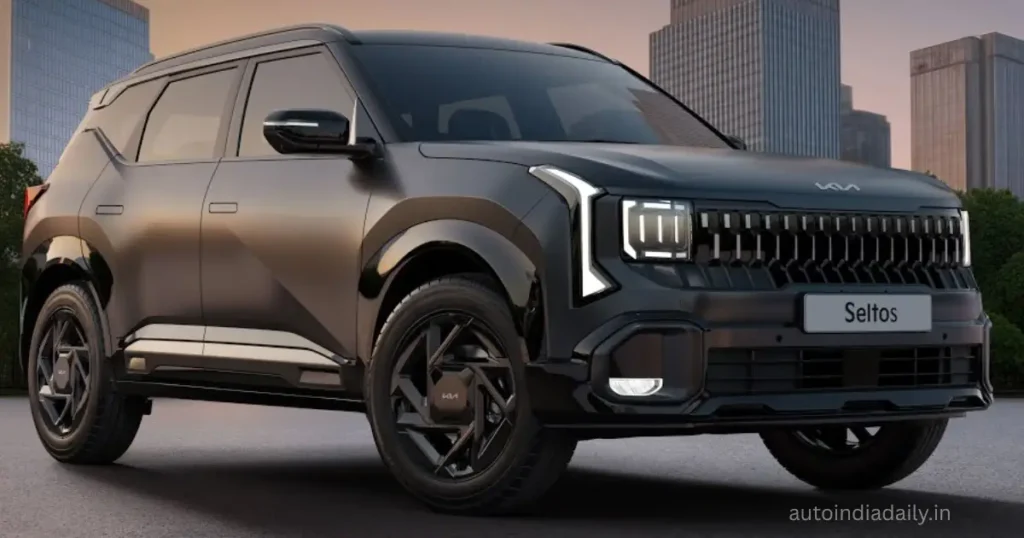
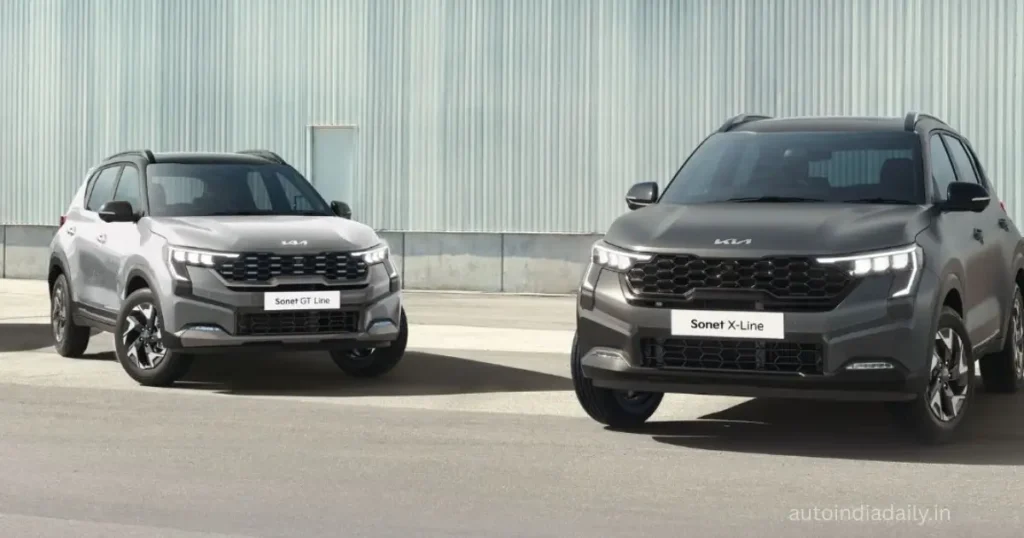
As with most mass-market brands in India, Kia’s growth remains heavily dependent on SUVs. The recently launched new-generation Seltos, introduced in January 2026 with a starting price of ₹10.99 lakh (ex-showroom), has seen strong customer response. The Sonet, positioned in the compact SUV segment, also remains a consistent volume contributor.
Together, these two models place Kia firmly within the country’s most competitive and high-demand segments. The Indian passenger vehicle market continues to shift toward SUVs across price brackets, and Kia’s lineup aligns well with this structural trend.
The Carens Clavis and its electric derivative have also maintained steady demand, indicating that the brand’s multi-body-style strategy—covering compact SUVs, mid-size SUVs and MPV-style offerings—helps reduce dependence on a single model.
Technology-Led Positioning
Kia attributes its performance to a “well-balanced product strategy” centred on advanced safety technologies, connected features and a premium ownership experience. This positioning reflects a broader shift in Indian buyer behaviour.
Today’s buyers, particularly in the ₹10–20 lakh bracket, increasingly prioritise features such as ADAS, large infotainment systems, connected car functionality and enhanced cabin quality. Rather than competing purely on price, brands are differentiating through perceived value and technology.
Kia has consistently positioned itself as a feature-rich alternative within mainstream segments. The success of this strategy indicates that Indian customers are willing to pay a premium for technology and design if the overall value proposition remains competitive.
Preparing for the EV Transition
Another notable aspect of Kia’s performance commentary is the reference to evolving customer aspirations and the shift toward electric mobility. While EV volumes still represent a small share of overall sales, manufacturers are gradually expanding their electric portfolios to prepare for long-term demand.
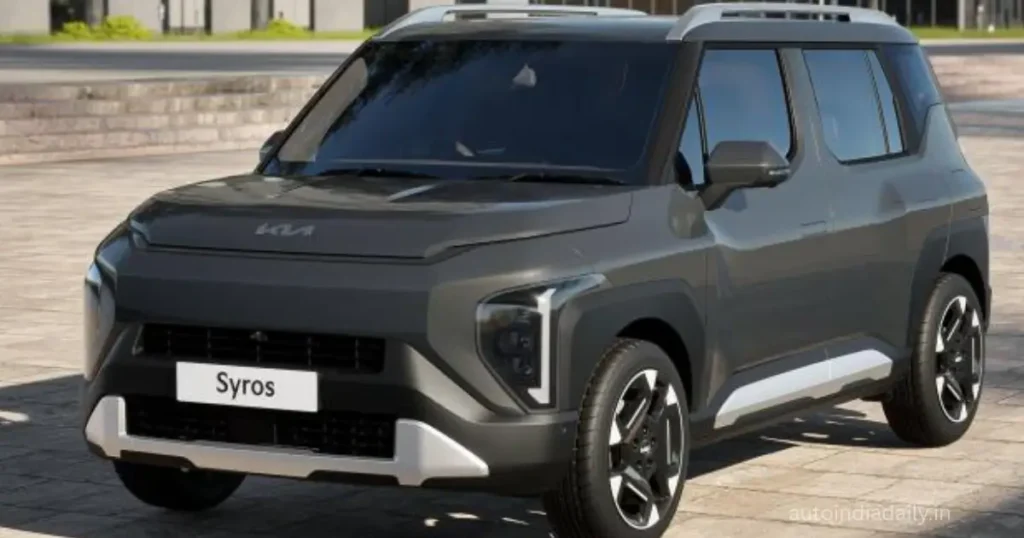
Kia’s plans to introduce additional models this year, including the Syros EV, suggest a phased approach rather than aggressive electrification. This aligns with current market realities, where ICE vehicles continue to dominate, but early EV positioning is important for brand perception and regulatory readiness.
For buyers, this means more electric options from established brands in the near future, particularly in the mid-premium segments where early EV adoption is strongest.
Network Expansion and Ownership Ecosystem
Sales growth is also supported by Kia’s expanding retail footprint. The company currently operates 849 sales and service touchpoints across 382 cities, along with 122 certified pre-owned outlets.
This network strength plays a critical role in sustaining volumes beyond metro markets. As vehicle demand increasingly comes from Tier-2 and Tier-3 cities, after-sales support, resale channels and service accessibility are becoming key decision factors for buyers.
A strong certified pre-owned ecosystem also helps improve residual values, which in turn enhances the attractiveness of new vehicle purchases.
Competitive Positioning in a Crowded Market
Despite its rapid growth, Kia operates in a highly competitive environment dominated by established players such as Maruti Suzuki, Hyundai, Tata Motors, Mahindra and Toyota. Maintaining growth at this stage requires regular product updates, strong pricing discipline and continued differentiation.
The new-generation Seltos launch early in the year reflects Kia’s focus on keeping its core products fresh. With multiple new models planned, the company appears to be investing in both volume segments and future technologies rather than relying on existing successes.
What This Means for Buyers
For customers, Kia’s sustained growth indicates strong market acceptance, which typically translates into better service support, improved resale value and continued product updates.
The brand’s emphasis on features and safety also reflects the direction of the broader market. Buyers can expect more technology, advanced driver assistance features and premium interiors becoming standard across mainstream segments.
At the same time, the gradual expansion into electric mobility suggests that Kia buyers will have multiple powertrain options within the same brand ecosystem over the next few years.
Outlook- Kia India February 2026 Sales
Kia India February 2026 Sales performance highlights the effectiveness of a strategy built around SUVs, feature-rich products and steady network expansion. More importantly, the consistency across consecutive months suggests stable underlying demand rather than short-term momentum.
As competition intensifies and the market gradually transitions toward electrification and higher technology content, Kia’s ability to balance volume models with future-ready offerings will be critical. If the current trajectory continues, the brand is likely to strengthen its position further in India’s evolving passenger vehicle landscape while remaining focused on long-term, sustainable growth.
Note: Kia India February 2026 Sales figures and company statements mentioned in this article are based on official data released by the manufacturer. Market performance and demand trends may vary depending on region, supply conditions and future product updates.
Also Read: 2026 Skoda Kushaq Production Starts: Deliveries From March- Key Details

Raj Prajapati is a Senior Automotive Content Writer at AutoIndiaDaily. A B.Tech graduate in Computer Science and Engineering, he has over four years of experience covering car and bike launches, EV updates, price changes, and key developments in the Indian automobile industry.