
Mahindra & Mahindra (M&M) reported retail Mahindra February 2026 Sales of 60,685 SUVs, marking a 19 percent year-on-year (YoY) increase. However, despite this strong growth, the company slipped to the fourth position in India’s passenger vehicle (PV) rankings, as Hyundai and Tata Motors recorded higher monthly volumes.
Hyundai retailed 66,134 units, while Tata posted 63,331 units during the same month. The narrow gap between these three manufacturers underscores the intensifying contest for second, third and fourth positions behind segment leader Maruti Suzuki.
Also Read: Hyundai India February 2026 Sales: 66,134 Units Sold, 12.6% YoY Growth
Mahindra February 2026 Sales Performance
In February 2026, Mahindra’s domestic PV sales stood at 60,018 units, compared to 50,420 units in February 2025. Total vehicle sales — including SUVs, light commercial vehicles (LCVs under 3.5 tonnes), three-wheelers and exports — reached 97,177 units, reflecting an 18 percent YoY increase.
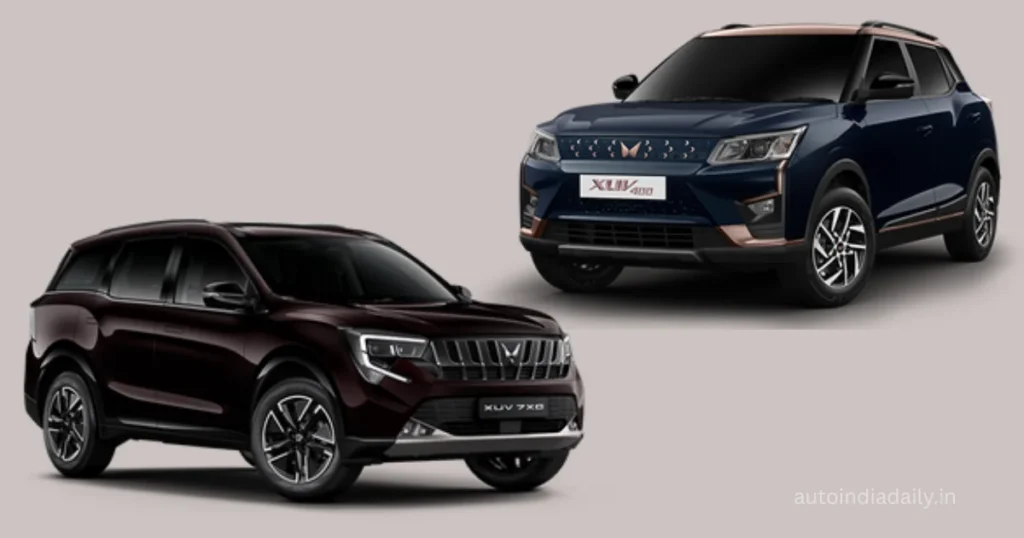
The numbers indicate that demand for Mahindra’s SUV portfolio remains robust. However, the ranking shuffle highlights how competitive the upper tiers of the Indian automotive market have become. A difference of a few thousand units now determines position shifts among major players.
This volatility in rankings suggests that market share consolidation among the top four brands is increasingly fluid rather than static.
Year-to-Date Trends: Sustained Expansion
Mahindra’s cumulative domestic sales for FY26 (April 2025–February 2026) reached 6,00,004 units, up 19 percent from 5,03,439 units during the same period last fiscal.
Exports also contributed positively. The company shipped 3,384 units in February 2026, up 11 percent YoY. Year-to-date exports stood at 37,022 units — a 21 percent increase compared to FY25.
While exports remain a smaller component of overall volumes, their steady growth reflects diversification beyond the domestic market.
SUV-Led Strategy Continues to Drive Volumes
Mahindra’s growth trajectory continues to be anchored in its SUV portfolio. Models such as the Scorpio-N, XUV700, Thar and Bolero have maintained demand across both urban and rural markets.
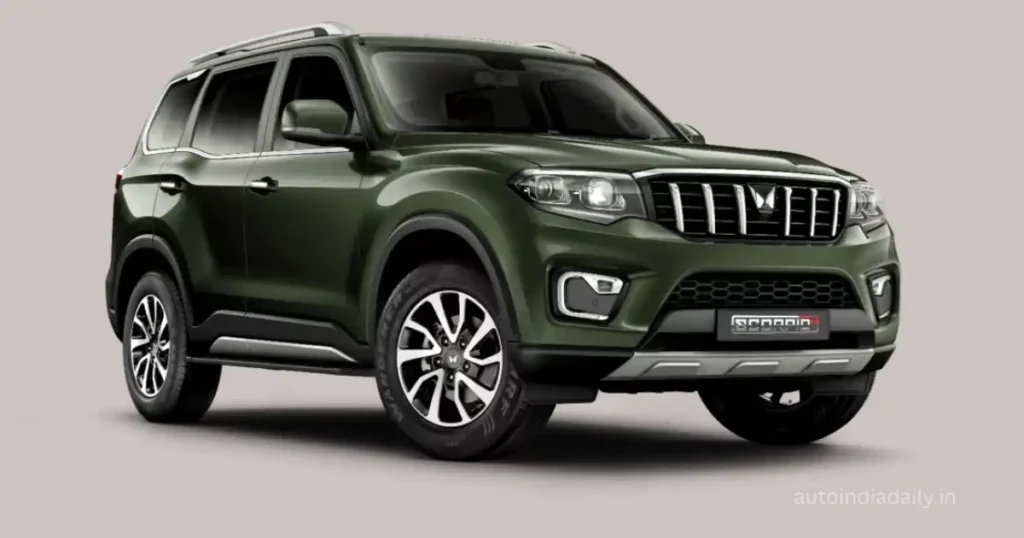
The company’s positioning in the mid-size and full-size SUV segments aligns with evolving consumer preferences. Indian buyers are increasingly gravitating towards SUVs for their perceived durability, road presence and multi-terrain usability.
Mahindra has historically enjoyed strong rural penetration, but recent years have seen broader appeal among aspirational urban customers as well.
The 19 percent growth in SUV sales indicates that the brand’s product-market fit remains strong even amid heightened competition.
Competitive Landscape: A Tight Three-Way Race
February’s reshuffling — with Hyundai reclaiming the second position and Tata moving ahead of Mahindra — illustrates how closely matched these manufacturers are.
The Indian passenger vehicle market is currently witnessing:
- Aggressive product refresh cycles
- Increasing electrification efforts
- Expansion into premium segments
- Rapid localisation to protect margins
In this environment, marginal shifts in dispatches or retail alignment can significantly alter monthly rankings.
Mahindra’s ability to maintain double-digit growth despite slipping in ranking indicates that absolute performance and relative positioning are diverging trends.
Commercial Vehicles and Portfolio Balance
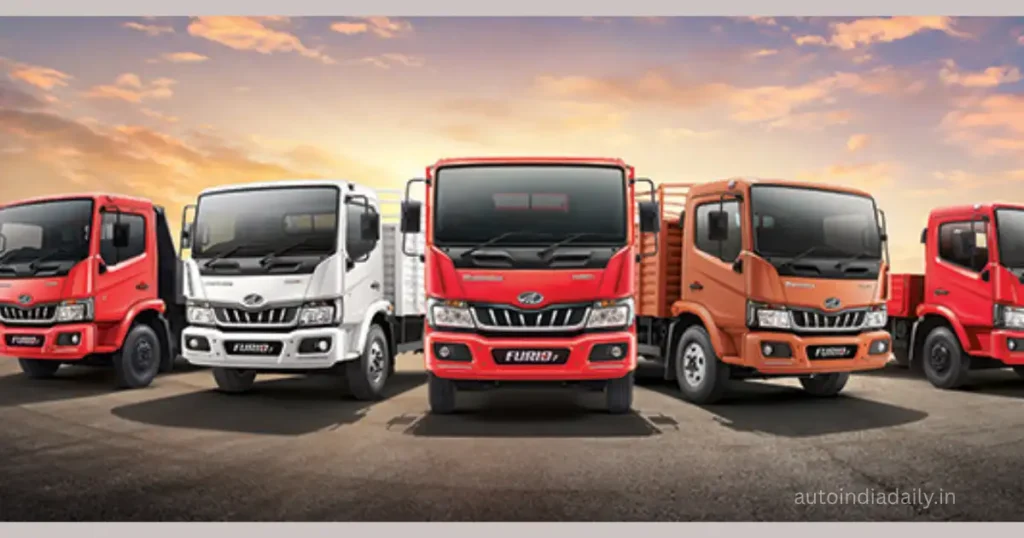
Mahindra’s commercial vehicle (CV) sales rose 10 percent YoY in February, reaching 24,585 units. This diversification into CVs and LCVs provides an additional revenue stream and reduces reliance solely on passenger SUVs.
The broader portfolio — spanning SUVs, commercial vehicles, and electric mobility — positions Mahindra differently from Hyundai and Tata, whose product mixes vary significantly.
Market Share Context
In calendar year 2025, Mahindra finished as India’s second-largest automotive brand behind Maruti Suzuki, with 5,96,270 units sold. Its market share increased from 12.4 percent in CY2024 to 13.7 percent in CY2025.
The Mahindra February 2026 Sales ranking does not negate this structural improvement in market share. Rather, it highlights the short-term fluctuations common in a highly competitive environment.
Upcoming Product Pipeline: Sustaining Momentum
Mahindra’s near-term product roadmap could influence its trajectory in FY27. The company is expected to introduce several updates and new models, beginning with a Scorpio-N facelift in April 2026, followed by a Thar facelift in the second half of the year.
Additional launches — including the Scorpio Pik Up and a Vision S concept-based SUV — are anticipated before the end of calendar year 2026. The production-ready BE.07 electric SUV is also expected to debut by year-end.

The refresh cycle indicates that Mahindra is not relying solely on existing models to maintain growth. Instead, it appears to be pursuing a structured product cadence to protect its SUV leadership.
Also Read: Mahindra Vision S Spotted Testing Again Ahead of 2027 Launch
What This Means for Buyers
For Indian consumers, intensified competition among Hyundai, Tata and Mahindra may result in:
- Faster feature upgrades
- More variant options
- Competitive pricing strategies
- Expanded EV offerings
As each brand attempts to secure higher ranking positions, product differentiation and value propositions are likely to sharpen.
Industry Implications
Mahindra February 2026 Sales performance reflects a broader shift in India’s automotive market:
- SUVs remain the dominant growth engine.
- Brand hierarchy below Maruti Suzuki is increasingly fluid.
- Electrification and product refresh cycles are accelerating.
- Rural demand continues to play a significant role in volume stability.
The ongoing “musical chairs” among Hyundai, Tata and Mahindra is less about decline and more about how closely matched these companies have become in scale and ambition.
Conclusion: Growth Intact, Competition Intensifies
Mahindra’s 19 percent YoY growth in February 2026 underscores sustained demand for its SUV lineup. While the company slipped to fourth place in monthly rankings, its underlying sales momentum remains strong.
As new product launches and facelifts roll out over the coming months, the competitive dynamics among India’s top automakers are likely to remain volatile. For now, Mahindra’s growth story appears structurally intact — even as the battle for podium positions becomes increasingly intense.
Disclaimer: Mahindra February 2026 Sales figures are based on company-released data for February 2026 and may include domestic and export volumes as specified. Rankings may vary based on reporting methodology and segment classification.
Also Read: Kia India February 2026 Sales Analysis: Record Volumes, SUVs Drive 10.3% Growth

Raj Prajapati is a Senior Automotive Content Writer at AutoIndiaDaily. A B.Tech graduate in Computer Science and Engineering, he has over four years of experience covering car and bike launches, EV updates, price changes, and key developments in the Indian automobile industry.