
Feb 2026 Car Sales Analysis: India’s passenger vehicle market continued its strong momentum in February 2026, recording a sharp rise in registrations compared to the same month last year. According to government Vahan portal data, a total of 3,70,616 passenger vehicles were sold in February 2026, marking a 24.93 percent year-on-year growth from the 2,96,657 units registered in February 2025.
While Maruti Suzuki retained its dominant position at the top of the Indian car market, the competition for the second spot intensified between Tata Motors and Mahindra. Ultimately, Tata Motors edged ahead by a narrow margin to secure second place in the monthly sales rankings.
Also Read: Mahindra February 2026 Sales Analysis: 19% SUV Growth, Slips to Fourth Spot
Maruti Suzuki Maintains Strong Market Leadership
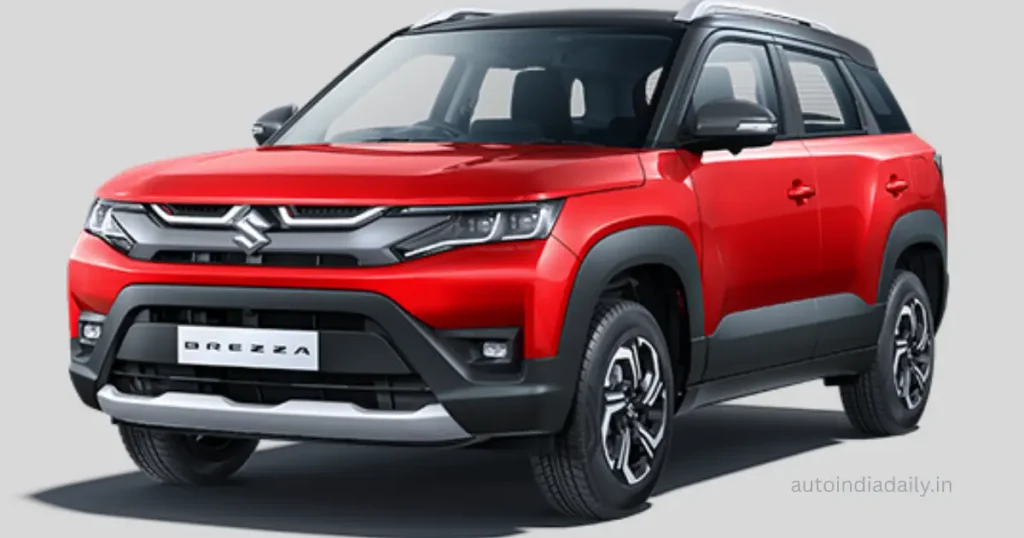
Maruti Suzuki continued to lead the Indian passenger vehicle market by a considerable margin. The automaker recorded 1,53,604 units in February 2026, representing a 28.06 percent increase compared to the same month last year.
With a market share of 41.45 percent, Maruti remains the clear leader in India’s automotive sector. The brand’s extensive portfolio across hatchbacks, sedans, SUVs and MPVs allows it to maintain strong sales across multiple price segments. Popular models such as the Swift, Baleno, Brezza and Ertiga continue to drive large volumes in both urban and rural markets.
The consistent performance also highlights the importance of Maruti Suzuki’s wide dealer network and strong after-sales ecosystem, which continues to attract value-focused buyers.
Also Read: 2026 Maruti Brezza Spied With Design Tweaks, 6MT Confirmed
Tata Motors Edges Ahead Of Mahindra
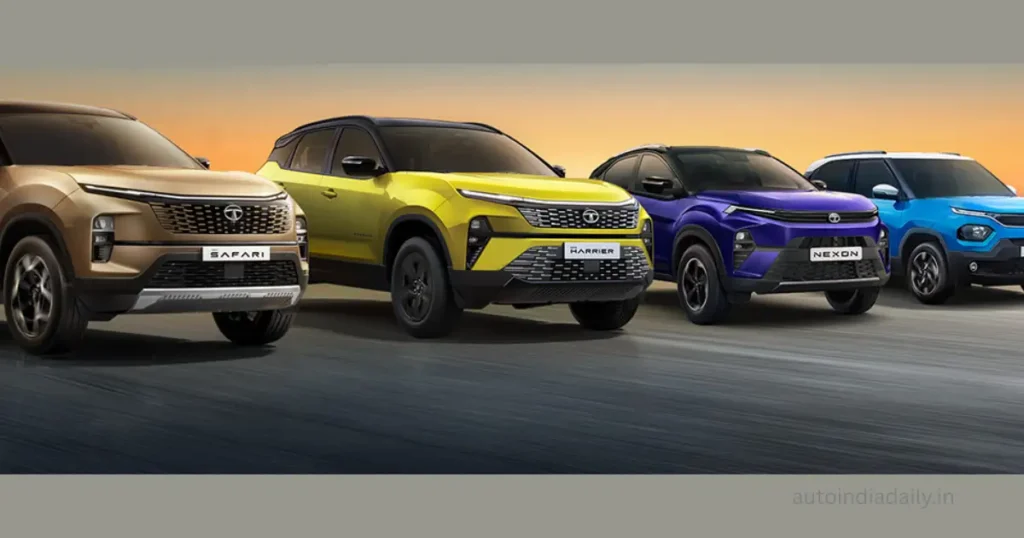
The key highlight of Feb 2026 Car Sales Analysis was the close battle between Tata Motors and Mahindra for the second position. Tata Motors secured the spot with 50,654 units sold, registering an impressive 43.29 percent year-on-year growth.
This growth rate was significantly higher than most other manufacturers in the market. Tata Motors held a 13.67 percent market share, reflecting the strong demand for its SUV portfolio and electric vehicle lineup.
Models such as the Nexon, Punch, Tiago and Harrier continue to contribute heavily to the company’s sales. The Nexon in particular remains one of the highest-selling SUVs in India, supported by its safety credentials and multiple powertrain options including petrol, diesel and electric.
Tata’s focus on safety ratings and electric mobility has also helped the brand build a strong identity among buyers seeking technologically advanced vehicles.
Mahindra Close Behind In Third Position
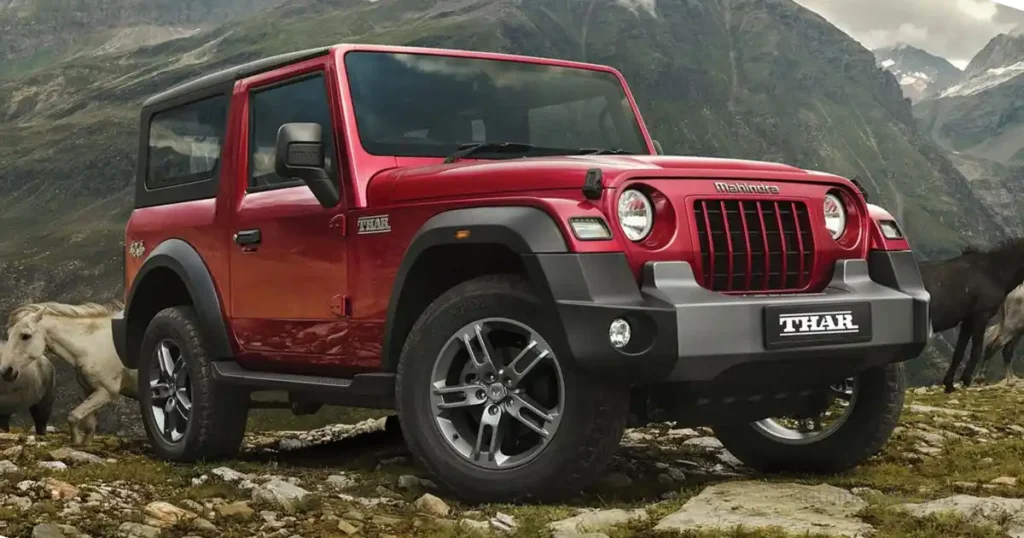
Mahindra finished in third place in February 2026, missing the second position by just 754 units. The company sold 49,900 vehicles, reflecting a 20.07 percent year-on-year increase.
Despite the narrow gap with Tata Motors, Mahindra’s performance remains notable given its strong focus on SUVs. The brand currently relies heavily on models such as the Scorpio-N, XUV700, Thar and Bolero, which continue to perform well in both urban and rural markets.
Mahindra’s strategy of concentrating on rugged SUVs and lifestyle vehicles has helped it maintain steady growth. Additionally, the company’s future product pipeline—including upcoming electric SUVs based on its INGLO platform—could further strengthen its position in the coming years.
Hyundai Slips To Fourth Position
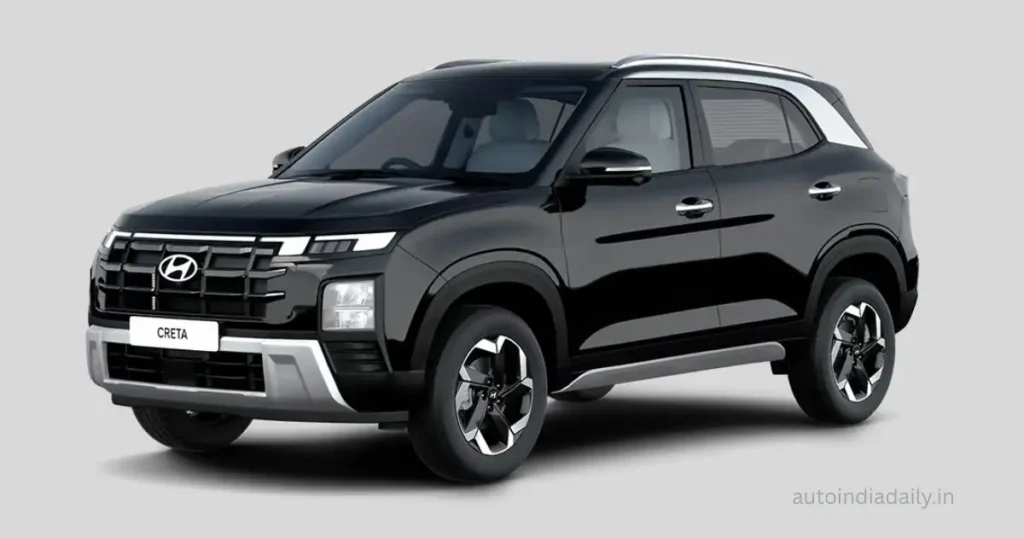
Hyundai, traditionally one of the top three brands in India, ranked fourth in February 2026. The South Korean automaker sold 45,213 vehicles, achieving a 17.26 percent year-on-year growth.
With a 12.20 percent market share, Hyundai remains one of the most influential players in the Indian market. However, the increasing popularity of SUVs from Tata and Mahindra appears to have intensified competition in key segments.
Hyundai’s lineup continues to be led by models such as the Creta, Venue and i20, which remain popular among urban buyers.
Also Read: Hyundai India February 2026 Sales: 66,134 Units Sold, 12.6% YoY Growth
Toyota And Kia Continue Steady Growth
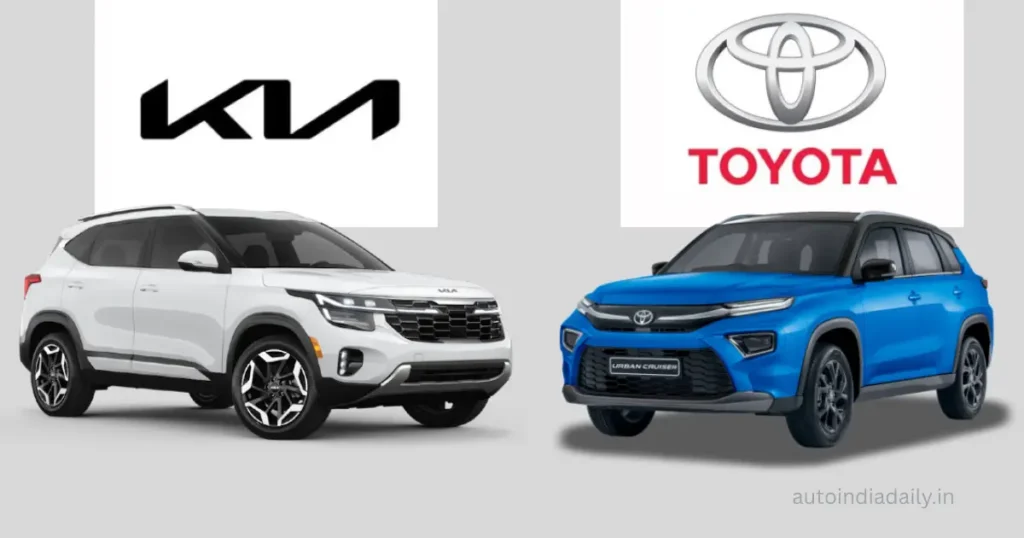
Toyota Kirloskar Motor secured the fifth position, delivering 26,095 units in February 2026. The company recorded a 14 percent year-on-year increase and held a 7.04 percent market share.
Kia followed in sixth place with 24,690 units, registering a strong 26.94 percent growth compared to February 2025. The brand now commands a 6.66 percent market share, largely driven by the popularity of the Seltos, Sonet and Carens.
Feb 2026 Car Sales Analysis Table (India)
| Rank | Brand | Feb 2026 Sales | Feb 2025 Sales | YoY Change |
|---|---|---|---|---|
| 1 | Maruti Suzuki | 153,604 | 119,947 | +28.06% |
| 2 | Tata Motors | 50,654 | 35,350 | +43.29% |
| 3 | Mahindra | 49,900 | 41,560 | +20.07% |
| 4 | Hyundai | 45,213 | 38,557 | +17.26% |
| 5 | Toyota | 26,095 | 22,891 | +14.00% |
| 6 | Kia | 24,690 | 19,450 | +26.94% |
| 7 | Volkswagen + Skoda | 7,578 | 6,751 | +12.25% |
| 8 | Honda | 4,759 | 5,349 | -11.03% |
| 9 | Renault | 3,240 | 2,542 | +27.46% |
| 10 | Nissan | 1,616 | 1,742 | -7.23% |
Market Trends And What It Means For Buyers
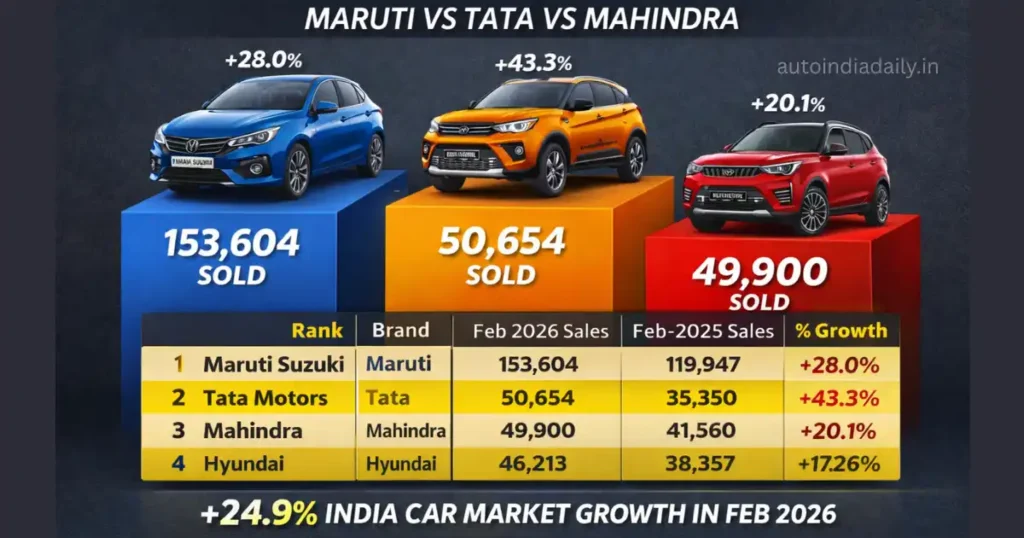
The Feb 2026 Car Sales Analysis data highlights a few important trends shaping the Indian automotive industry. SUVs continue to dominate buyer preferences, with brands like Tata and Mahindra benefiting significantly from strong demand in this segment.
At the same time, electrification is gradually becoming a key differentiator for manufacturers. Tata Motors currently leads the EV market in India, while Mahindra is preparing to expand its electric lineup in the coming years.
Another important trend is the increasing competition among manufacturers in the mid-size SUV and compact SUV segments. Buyers now have a wider range of choices across different price points and technology offerings.
Outlook For The Indian Car Market
Looking ahead, the competition between Tata Motors, Mahindra and Hyundai is likely to remain intense throughout 2026. Upcoming launches, particularly in the electric and SUV segments, could significantly influence market positions.
While Maruti Suzuki continues to dominate the overall market, the rapid growth of other manufacturers indicates that the competitive landscape of the Indian automotive industry is becoming increasingly dynamic.
Disclaimer: Feb 2026 Car Sales Analysis figures mentioned in this article are based on data available from the government’s Vahan portal and may exclude registrations from certain states such as Telangana. Market share and growth calculations are based on reported registration data for February 2026.
Also Read: Best Cars Under 10 Lakh in India 2026 – Top 10 Hatchbacks, SUVs & Sedans

Raj Prajapati is a Senior Automotive Content Writer at AutoIndiaDaily. A B.Tech graduate in Computer Science and Engineering, he has over four years of experience covering car and bike launches, EV updates, price changes, and key developments in the Indian automobile industry.