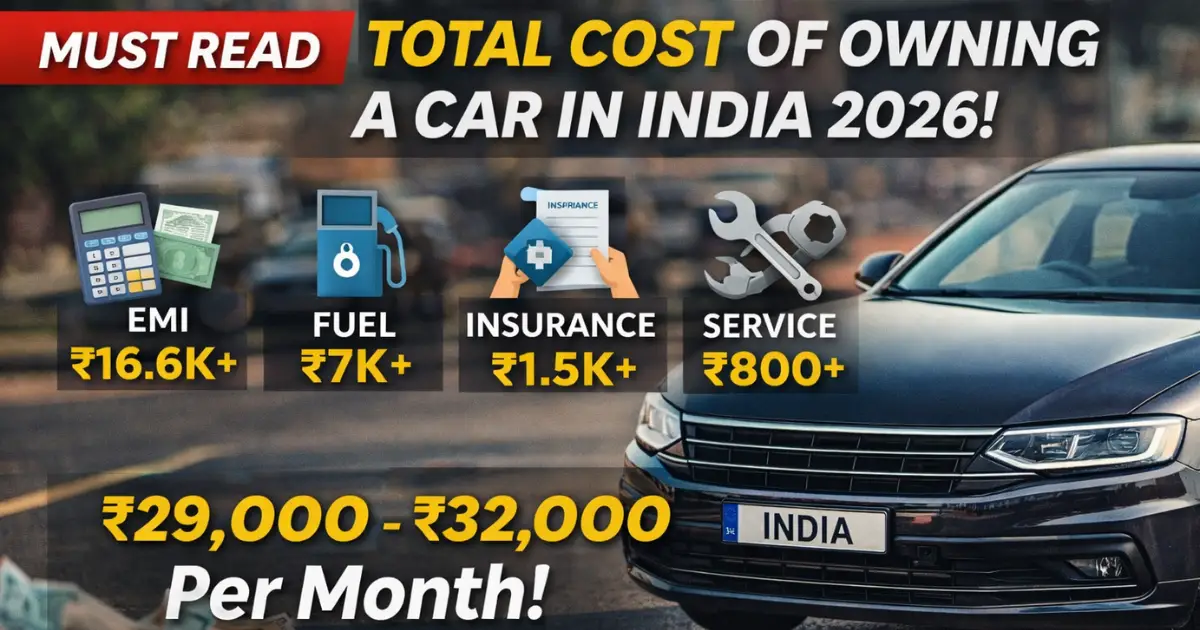
Friends, Owning a car in India is no longer just about the purchase price. The total cost of owning a car in India includes multiple recurring expenses like EMI, fuel, insurance, and maintenance. For a typical ₹10 lakh on-road car in 2026, the real monthly expense can go far beyond what most buyers initially expect.
As per the autoindiadaily research, based on current data and average usage patterns, the true cost of ownership (TCO) comes to roughly ₹29,000 to ₹32,000 per month, depending on usage, fuel type, and financing terms. Understanding this breakdown is crucial for buyers planning their budget realistically.
Also Read: Maruti vs Hyundai vs Tata Service Cost Comparison 2026: Which Is Cheapest To Maintain?
Key Highlights: Total Cost of Owning a Car in India
| Category | Monthly Cost (Approx.) |
|---|---|
| EMI (Loan Repayment) | ₹16,600 – ₹17,500 |
| Fuel (Petrol, ~1,200 km) | ₹7,000 – ₹8,500 |
| Insurance | ₹1,500 – ₹2,000 |
| Service & Maintenance | ₹800 – ₹1,200 |
| Total Monthly Cost | ₹25,900 – ₹29,200 |
| Hidden Costs (Parking, Tolls) | ₹1,000 – ₹1,500 |
| Real Ownership Cost | ₹29,000 – ₹32,000 |
What’s Included in Total Cost of Owning a Car in India?
The total cost of owning a car in India is not limited to EMI alone. It includes:
- Loan repayment (EMI)
- Fuel or charging cost
- Insurance premium
- Regular servicing and repairs
- Additional urban costs (parking, tolls)
- Depreciation (long-term impact)
Each of these plays a significant role in determining how affordable a car truly is.
EMI Cost: The Biggest Monthly Expense

For most buyers, EMI forms the largest chunk of the monthly expense.
Typical Loan Scenario (2026)
- Car price: ₹10 lakh
- Down payment: 20% (₹2 lakh)
- Loan amount: ₹8 lakh
- Interest rate: 8.2% – 10.8%
- Tenure: 5 years
Monthly EMI
₹16,600 to ₹17,500
This alone accounts for more than 50% of the total cost of owning a car in India. Interest rates vary across banks like SBI and HDFC, which can slightly impact the EMI.
Fuel Cost: The Most Variable Expense
Fuel cost depends heavily on your usage and fuel type.
Petrol Car (Most Common Case)
- Monthly driving: 1,000–1,200 km
- Mileage: ~15 km/l
- Petrol price: ~₹105/l
Monthly Cost: ₹7,000 – ₹8,500
CNG Cars
₹5,000 – ₹7,000 per month
Electric Vehicles (EVs)
- Charging cost: ₹8/unit (home charging)
₹1,200 – ₹1,500 per month
This shows that EVs significantly reduce running costs, which is becoming a key factor in purchase decisions.
Insurance Cost: Mandatory but Often Overlooked

Insurance is paid annually but should be considered monthly.
For ₹10 Lakh Car:
- Annual premium: ₹15,000 – ₹25,000
Monthly Equivalent: ₹1,300 – ₹2,100
Factors affecting cost:
- Zero depreciation add-on
- IDV (Insured Declared Value)
- City of registration
Insurance is a fixed cost that ensures financial protection against accidents and damages.
Maintenance & Service Cost
Regular servicing ensures long-term reliability and avoids major repair costs.
Annual Cost
- ₹8,000 – ₹15,000
Monthly Cost: ₹700 – ₹1,250
What’s Included:
- Engine oil & filters
- Labour charges (~₹3,000 per service)
- Consumables
Brands like Maruti typically have lower service costs, while premium brands may cost more.
Also Read: Safest Cars Under 10 Lakh in India 2026: Tata Punch, Altroz, XUV 3XO and More
Hidden Costs Most Buyers Ignore
This is where many buyers underestimate the total cost of owning a car in India.
1. Depreciation
- Up to 20% in first year
- Biggest long-term cost
2. Parking Charges
- ₹500 – ₹1,000/month (city dependent)
3. Tolls & Miscellaneous
- ₹500 – ₹1,000/month
Total Hidden Cost: ₹1,000 – ₹1,500/month
Total Monthly Cost Breakdown (Real Scenario)
| Expense | Cost |
|---|---|
| EMI | ₹16,600 – ₹17,500 |
| Fuel | ₹7,000 – ₹8,500 |
| Insurance | ₹1,500 – ₹2,000 |
| Maintenance | ₹800 – ₹1,200 |
| Hidden Costs | ₹1,000 – ₹1,500 |
| Total Ownership Cost | ₹29,000 – ₹32,000 |
Petrol vs CNG vs EV: Cost Comparison
| Type | Monthly Cost | Key Benefit |
|---|---|---|
| Petrol | ₹29K – ₹32K | Convenience |
| CNG | ₹26K – ₹30K | Lower running cost |
| EV | ₹22K – ₹26K | Lowest fuel cost |
EVs clearly offer the lowest running cost, but higher upfront cost remains a challenge.
Rivals Comparison: Which Type Makes More Sense?
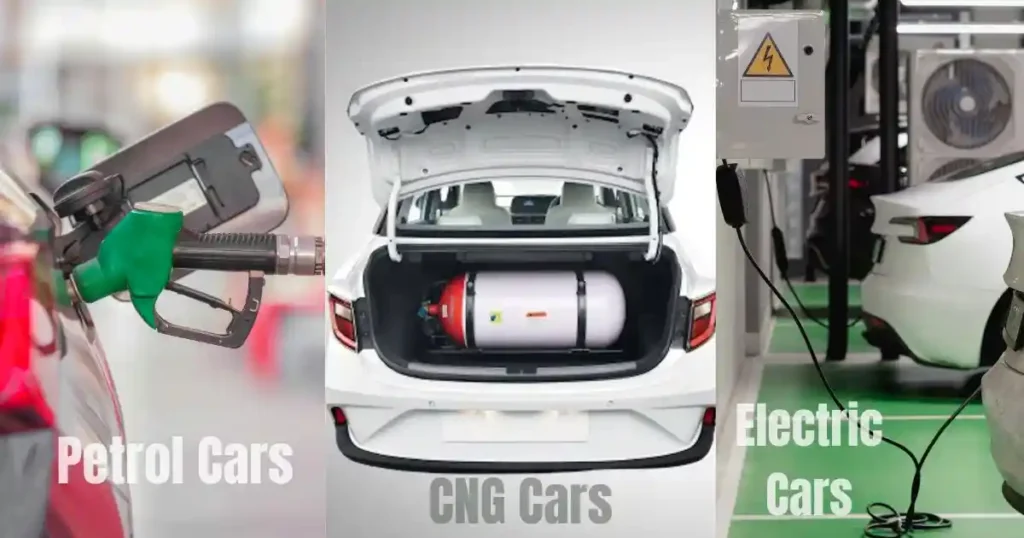
When considering the total cost of owning a car in India, buyers usually compare:
Petrol Cars
- Lower upfront cost
- Higher running cost
CNG Cars
- Balanced ownership cost
- Slightly lower performance
Electric Cars
- Lowest running cost
- Higher initial price
- Charging infrastructure dependency
For city users with high daily running, EVs make more sense. For occasional users, petrol still remains practical.
What It Means for Buyers
Understanding the total cost of owning a car in India is crucial before making a purchase decision.
Key Takeaways for Buyers:
- EMI alone is not the real cost — running expenses matter equally
- Fuel cost can significantly impact monthly budget
- EVs are cheaper to run but expensive to buy
- Maintenance and insurance are unavoidable costs
- Hidden costs like parking and tolls add up quickly
Practical Advice:
- Always calculate full monthly cost before buying
- Choose fuel type based on usage
- Consider resale value and service network
- Don’t stretch budget only for EMI affordability
A ₹10 lakh car may seem affordable upfront, but the real monthly burden can cross ₹30,000, which many buyers underestimate.
Conclusion
The total cost of owning a car in India in 2026 goes far beyond the showroom price. For a ₹10 lakh car, the realistic monthly expense ranges between ₹29,000 and ₹32,000, including all major and hidden costs.
For buyers, the key is not just choosing the right car, but choosing one that fits their long-term financial comfort. With rising fuel prices, insurance premiums, and maintenance costs, a well-informed decision can help avoid financial strain and ensure a smoother ownership experience.
Disclaimer: The figures mentioned for the Total Cost of Owning a Car in India are estimates based on average market data for 2026. Actual costs may vary depending on vehicle type, location, driving habits, fuel prices, loan terms, and insurance policies.
Also Read: Best Cars Under 10 Lakh in India 2026 – Top 10 Hatchbacks, SUVs & Sedans

Raj Prajapati is a Senior Automotive Content Writer at AutoIndiaDaily. A B.Tech graduate in Computer Science and Engineering, he has over four years of experience covering car and bike launches, EV updates, price changes, and key developments in the Indian automobile industry.